
In season soon
Last verified 17 Jul 2026
Hillside Harvest
Borenore · Orange & Central West
- Season
- mid-Nov onward; later season
- Open
- Seasonal
- Booking
- Booking recommended
Raspberry picking is between seasons across most of Australia in October. We list 29 pick-your-own raspberry farms nationally — see the season table below for when picking reopens in your state.
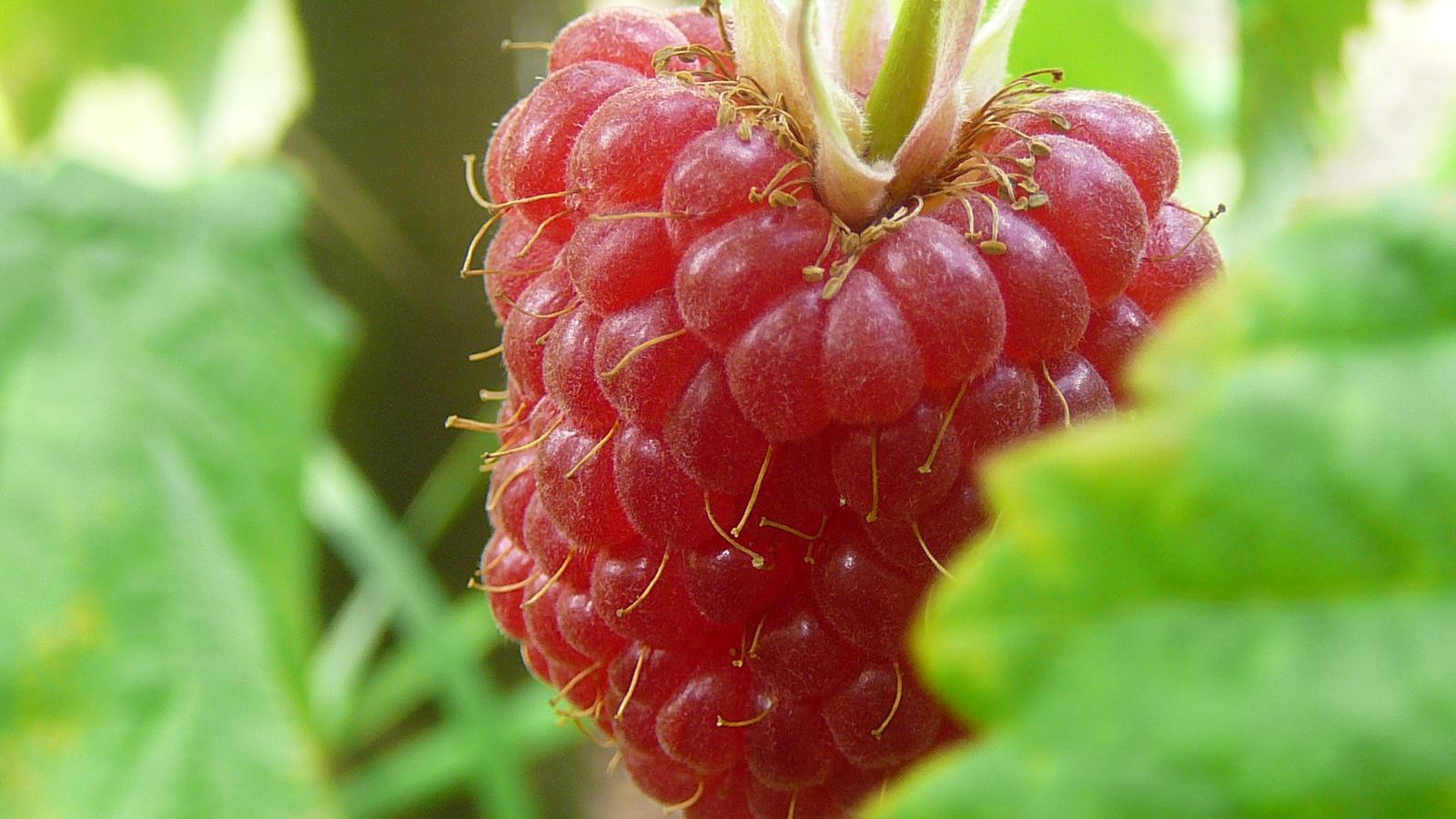
Raspberry picking in Australia is mostly a spring-into-autumn affair, with the main window running from around November through February and a few districts stretching further. Western Australia's South West (Manjimup and Pemberton) and NSW's Illawarra and Southern Highlands typically pick November to February, while Orange and the Central West of NSW extend into autumn, roughly November to May. Victoria's Yarra Valley and Dandenong Ranges have the longest run of any district, with some farms growing autumn-fruiting canes for a second flush from March into June on top of the main December-January crop. Tasmania follows a similar long pattern statewide, November to May, peaking January to March in its cooler climate. Across the country, peak picking generally lands in December and January regardless of district. Picking itself means working along low canes for berries that pull away cleanly. Most farms charge by weight, typically $9 to $20 a kilogram, or an entry fee of roughly $12 to $18 that includes tasting and containers.
Raspberry season in Australia runs from around November through to May across the country's main growing regions, but no single month is peak everywhere at once. The core of the summer crop — December and January — is the safest window to visit almost any region without phoning ahead. Tasmania sits a little later than the mainland, with peak picking from January to March in the cooler inland valleys. Victoria's Yarra Valley and Macedon Ranges add an autumn layer: some growers plant autumn-fruiting (primocane) varieties that yield a second, smaller flush from March or April into June after the summer canes have finished. NSW's Southern Highlands and Orange region tend to wrap up between February and May depending on elevation, while Western Australia's South West follows a similar November-to-February arc as the rest of coastal Australia. If you're visiting outside the peak window in December–January, call the farm before you go — raspberries ripen unevenly and a patch can be finished or not yet ready even when the calendar says it should be on.
Most Australian pick-your-own farms don't advertise which variety they grow, but the variety shapes the season: summer-fruiting (floricane) types produce one crop from the previous year's canes, while autumn-fruiting (primocane) types crop again on the current year's growth, extending the season into March to June. The table below covers the varieties most commonly encountered by Australian growers.
| Variety | Type | Typical ripening (AU) | States grown | Flavour note |
|---|---|---|---|---|
| Chilcotin | Summer-fruiting | Nov–Jan | VIC, TAS, NSW tablelands | Large, bright red berry with a classic sweet-tart balance; one of the most widely planted commercial varieties |
| Willamette | Summer-fruiting | Dec–Jan | VIC, TAS, SA | Deep red, firm flesh, good flavour intensity; holds well after picking, which suits PYO farms |
| Chilliwack | Summer-fruiting | Nov–Jan | VIC, TAS | Very large berry, mild-sweet, slightly soft — best eaten same day |
| Autumn Bliss | Autumn-fruiting (primocane) | Feb–May (second flush) | VIC (Yarra Valley, Macedon Ranges), TAS | Medium berry, full flavour, slightly firmer than summer types; the variety behind extended Yarra Valley seasons |
| Heritage | Autumn-fruiting (primocane) | Mar–Jun | VIC highlands, TAS | Smaller berry, intensely flavoured; very cold-hardy, often the last variety still picking in cooler districts |
Melbourne has the strongest pick-your-own raspberry scene in Australia. See the full Melbourne raspberry picking guide for farm-by-farm detail, but in brief: Wandin Yallock Farms in the Yarra Valley runs soil-grown raspberries from roughly November to March or April, with adult entry at $18 and take-home fruit at $9.90 per half-kilo. Across in the Macedon Ranges, Hampton Ridge Raspberry Farm at Little Hampton opens late December to early February — entry is $10 for adults and $5 for children, with raspberries charged by weight at $30 per kilogram on the way out. Chapmans Berry and Fruit Farm (Chappies U-Pick) in Silvan also grows raspberries alongside cherries and boysenberries, picking mid-November through January. All three are day trips from the CBD, roughly 45 to 75 minutes each way.
Tasmania's cooler climate suits raspberries well and Hobart visitors have solid options within an easy day's drive. Westerway Raspberry Farm in the Derwent Valley — about an hour from Hobart, near Mt Field National Park — picks raspberries from early December to late January, with berries at $18 per kilogram. Westerway is open seven days a week from 9am to 5pm between December and May.
Sydney is lightly served for raspberry picking. The nearest confirmed option is around the Illawarra and Southern Highlands — Fitzroy Falls is roughly 90 minutes from the CBD — though u-pick availability there has not been independently confirmed in recent seasons; call ahead before making the drive. For a wider berry day trip from Sydney, the Southern Highlands has stone fruit and mixed-berry farms worth checking at the same time.
Verified pick-your-own raspberry farms are rare outside Victoria and Tasmania. Queensland has one property near Toowoomba (Hampton Blue Organic Blueberries at Hampton) with raspberries growing on-farm, but u-pick availability for that crop has not been separately confirmed — blueberries are the reliable PYO option there. South Australia's Fleurieu Peninsula and WA's South West both appear in the intro as having some raspberry growing history, but no farm in those regions currently has confirmed PYO raspberry picking on record. If you're in either state and keen on raspberries, call local berry farms directly to ask — the situation can change season to season.
Raspberries are among the most perishable fruits you can pick — they start to break down within 24 to 48 hours at room temperature. Keep them unwashed, spread in a single layer if you have space, and refrigerate as soon as you get home. For anything you can't eat within two days, freeze them straight from fresh: lay them out on a tray so they're not touching, freeze until solid (a few hours), then transfer to a bag or container. Frozen within hours of picking, they're far better than shop-bought frozen raspberries. The full storage and freezing guide covers every PYO fruit and is worth reading before your visit.
Swipe to see all months. Peak and available windows are typical only and shift with the weather.
| State | Jan | Feb | Mar | Apr | May | Jun | Jul | Aug | Sep | Oct | Nov | Dec |
|---|---|---|---|---|---|---|---|---|---|---|---|---|
| New South Wales | Peak | Peak | Available | Available | Available | Available | Peak | |||||
| Victoria | Peak | Peak | Available | Available | Available | Available | Available | Peak | ||||
| South Australia | Peak | |||||||||||
| Western Australia | Peak | Available | Available | Peak | ||||||||
| Tasmania | Peak | Peak | Peak | Available | Available | Available | Available |
Borenore · Orange & Central West
Huntley · Orange & Central West
Bilpin · Blue Mountains
Glenning Valley · Central Coast
Buninyong · Grampians & Ballarat
Cockatoo · Dandenong Ranges
Little Hampton · Macedon Ranges
Wandin East · Dandenong Ranges
Hampton · Darling Downs & Toowoomba
Mary Farms · Far North Queensland
Details may have changed. Call before travelling.
Hillwood · Tamar Valley & Launceston
Longford · Tamar Valley & Launceston
Turners Beach · North-West Tasmania
Westerway · Hobart & the Huon Valley
Ripe raspberries are fully coloured, plump and slightly soft, and should slide off the white core with barely a touch — if you have to tug, it's not ready. Pick into a shallow tray, since raspberries are hollow and crush easily if piled too deep. Handle them gently and avoid crowding the container. Raspberries are one of the most perishable pick-your-own fruits: keep them unwashed in the fridge and eat within a day or two, or spread them on a tray and freeze straight away if you're not using them immediately.
Choose a crop and location. We will email you when local farms begin opening.
Most regions pick raspberries from spring into late summer, roughly November to February, with peak picking in December and January nationwide. Some districts run longer: Orange and Tasmania extend to around May, and parts of the Yarra Valley grow autumn-fruiting canes for a second flush from March into June. Because timing shifts with the weather, always check a farm's current status before driving out.
Most farms charge by weight, typically $9 to $20 a kilogram, or sell small punnets separately at similar rates. Some charge an entry fee instead, generally $12 to $18 per person, which usually includes tasting and a picking container. A handful of properties don't publish pricing at all, so it's worth calling ahead if cost is a factor in your visit.
Yes, though options are limited. The Illawarra and Southern Highlands, about 90 minutes from Sydney, has a farm growing raspberries alongside apples and stone fruit through summer. Orange, in the Central West, is further out but has a longer season, running November to May. Both areas are best confirmed by phone before you make the trip.
Yes, the Yarra Valley and Dandenong Ranges are the main option, with several farms picking raspberries from around November through summer, and a couple running an extended autumn crop into June. It's roughly 45 minutes to an hour from the Melbourne CBD. Geelong and the Bellarine also has a dedicated raspberry farm, open through a shorter December to mid-January window.
Yes, raspberry canes are low and thornless on most modern varieties, so young children can usually reach and pick fruit safely with supervision. Berries pull off easily without needing tools, which suits shorter attention spans. Bring a hat and sun protection, since patches are often in open rows, and check with the farm about pram or wheelchair access if that matters for your family.
Raspberry season in Australia runs from around November to May across most growing regions, with December and January the reliable peak nationwide. Victoria and Tasmania are the best-represented states, with farms in the Yarra Valley, Macedon Ranges and across Tasmania picking through summer and into autumn. Some Victorian growers extend the season with autumn-fruiting varieties for a second flush from March into June. The window in any given region can shift by two or three weeks depending on the year's weather, so it's worth confirming with the farm directly.
Melbourne has more verified pick-your-own raspberry farms within day-trip distance than any other city in Australia. The Yarra Valley, Dandenong Ranges and Macedon Ranges together offer a spread of options from mid-November through to April, with some farms extending into the autumn-flush window in May or June. Hobart is a strong second choice, particularly for the quality of the experience — Westerway Raspberry Farm sits in a landscape that is worth the drive in its own right. Sydney, Brisbane and Adelaide have limited or unconfirmed raspberry PYO options, and Perth's South West offers some history of raspberry growing but no currently confirmed u-pick operations.
Yes — raspberries grow well in most cooler parts of Australia, including Victoria, Tasmania, the NSW tablelands and SA's Adelaide Hills, provided the canes get a proper winter chill. In warmer climates, autumn-fruiting varieties often outperform summer types because they crop on the current year's canes and need less accumulated cold. Plant into well-drained, slightly acidic soil and expect a first proper crop in the second season.