Pick Your Own Farms

Peach picking in Australia

Peach picking is between seasons across most of Australia in September. We list 24 pick-your-own peach farms nationally — see the season table below for when picking reopens in your state.

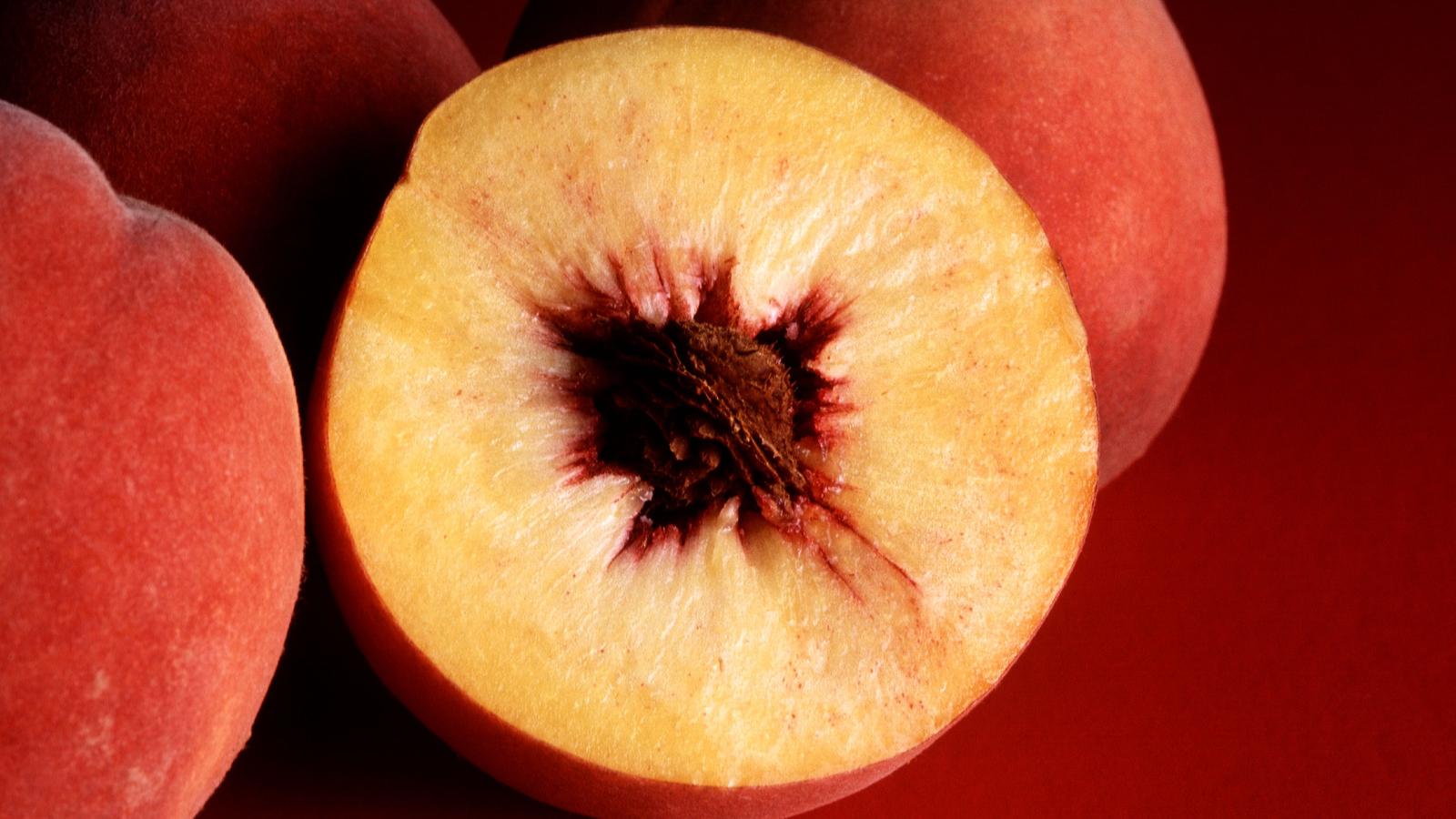
Whole peach beside two halved peaches showing the pit
Representative peach image. Seasons and availability vary by farm and weather. "Autumn Red peaches" by Jack Dykinga, USDA Agricultural Research Service, Public domain, via Wikimedia Commons.

Peach picking is a summer activity across most of Australia, typically running from November to February and peaking around December and January. Queensland's Granite Belt around Stanthorpe is usually first off the mark, with orchards picking from November and hitting their peak in December. NSW's Hawkesbury-Bilpin district and the Illawarra/Southern Highlands run a similar November-to-February window, and Victoria's Yarra Valley and Bacchus Marsh districts follow close behind through December to February, peaking in January. Perth Hills orchards in WA are on much the same summer schedule. Canberra's Pialligo district and Tasmania's small stone fruit growers pick later, mostly in January and February, reflecting cooler local conditions and fewer commercial orchards. Picking is usually pay-for-what-you-pick, sometimes with a small entry or bucket-rental fee. Expect roughly $4.50 to $8 a kilogram for fruit, with entry fees, where charged, typically $5 to $8 per adult.

When is peach season in Australia?

Peach season in Australia runs from November through to March, with December and February the peak months for most orchards. Queensland's Granite Belt — centred on Stanthorpe — is usually the first region to open, with some orchards welcoming pickers from mid-November. Victoria's Goulburn Valley, one of the country's most productive stone-fruit districts, hits peak supply in January. NSW's Bilpin district on the Bells Line of Road follows a similar summer arc, with peaches typically ripe from late November through the new year. South Australia's Riverland tends to run later than the east coast — orchards there often continue into February or even early March. Tasmania and Canberra's smaller orchards pick last, mostly through January and February, reflecting their cooler highland climates. Season length varies with each year's heat, so call ahead before visiting any orchard.

Peach varieties in Australia

Australian pick-your-own orchards grow a wide range of peach types, from early-season yellow-flesh varieties through to white-flesh and novelty donut peaches. Named cultivars vary farm to farm — confirm what's available when you book.

Variety typeTypical ripeningStates commonly grownFlavour profile
Early-season yellow-flesh (e.g. Anzac)November–DecemberQLD, NSW, VICSweet-tart, firm flesh, strong blush
Mid-season yellow-flesh (e.g. O'Henry)JanuaryNSW, VIC, SARich, very sweet, low acid, deep yellow
White-flesh (Snow Angel-style)December–JanuaryVIC, NSWDelicate, honey-sweet, low acid
Donut / Saturn peachDecember–FebruaryVIC, NSWCompact, very sweet, almost no stone gap

Peaches also fall into two broad categories by stone type: freestone varieties, where the flesh pulls cleanly away from the pit, are easiest to eat fresh and ideal for preserving; clingstone varieties have flesh that adheres to the stone and are often used for cooking, canning and jam. Most orchards open for pick-your-own grow freestone or semi-freestone types for ease of eating in the field — call ahead to confirm what's on the trees on your visit day.

Peach picking near Sydney

The closest peach-picking to Sydney is found along the Bells Line of Road in Bilpin — roughly 90 minutes from the CBD. Bilpin Fruit Bowl on Bells Line of Road grows peaches alongside nectarines and a wide range of vegetables, typically opening for the season from mid-November. Pine Crest Orchard, a little further along the road, adds peaches to a stone-fruit mix that includes plums and cherries. Both farms operate on weekends and public holidays through summer — no-booking access, but hours and crop availability shift with the season, so ring before you head out. See the full list of options on the Sydney fruit picking page.

Peach season by state

Swipe to see all months. Peak and available windows are typical only and shift with the weather.

Typical peach picking months by state
State Jan Feb Mar Apr May Jun Jul Aug Sep Oct Nov Dec
New South Wales Peak Available Available Peak Peak
Victoria Peak Available Available
Queensland Available Available Available Peak
Western Australia Peak Peak Available Available
Tasmania Peak Available Available
Australian Capital Territory Peak Available

Best places to pick peaches in Australia

New South Wales

Victoria

Queensland

Western Australia

Tasmania

Cities with peach picking

Peach farms by state

Peak season by month

How to pick ripe peaches

A ripe peach gives slightly to gentle thumb pressure near the stem and separates from the branch with a light twist rather than a tug — if you have to pull hard, it's not ready. Colour is a rough guide only; blush varies by variety, so smell and softness matter more. Peaches bruise easily, so carry them in a single layer rather than a deep bucket. They keep a few days at room temperature or about a week refrigerated, and ripen further off the tree if picked slightly firm.

Last verified 3 Sep 2026. We check listings against farms' own sources and re-verify regularly. How we verify Report a change

Frequently asked questions

When is peach season in Australia?

Peach picking generally runs from November to February, with most regions peaking in December or January. Queensland's Granite Belt starts earliest, from November, followed closely by NSW's Hawkesbury-Bilpin district and Victoria's Yarra Valley and Bacchus Marsh areas through December and January. Canberra and Tasmania's smaller orchards tend to pick later, into January and February. Always check with the farm before you drive, as a hot spell can bring the season forward.

How much does peach picking cost?

Most orchards charge for fruit by weight rather than a flat entry fee, with prices commonly around $4.50 to $8 a kilogram depending on the farm and how far into the season you visit. Some farms add a small entry charge or bucket rental, often around $5 to $8 per adult, with children cheaper or free. Cash and EFTPOS are both common, but it pays to check before you go.

Can you pick peaches near Sydney?

Yes. The Hawkesbury-Bilpin district, about an hour to 90 minutes from the Sydney CBD, has several orchards picking peaches from November into the new year, and Canoelands Orchard further north also grows peaches alongside plums. The Illawarra and Southern Highlands, roughly an hour south, are another option through the same summer window. Call ahead, as availability shifts week to week.

Can you pick peaches near Melbourne?

Yes, the Yarra Valley and Dandenong Ranges, under 90 minutes from the Melbourne CBD, have orchards picking peaches from December through to February. Bacchus Marsh, on the western side of the city, offers a similar summer stone fruit season. Both regions grow peaches alongside nectarines, plums and apricots, so it's worth asking what else is ripe on the day.

How do you know when a peach is ripe enough to pick?

Ripe peaches give slightly under gentle thumb pressure near the stem and come away from the branch with a light twist, not a hard pull. Fragrance is a good sign too — a ripe peach usually smells sweet close up. Firmer fruit will keep ripening for a day or two at home, so if in doubt, pick a little on the firm side rather than overripe.

What months is peach picking open in Australia?

Most peach orchards open to pickers from November through to late February, with December and January the most reliably productive months across NSW, Victoria and Queensland. South Australia's Riverland tends to finish later than the east coast, while Canberra and Tasmania orchards often don't start until January. Call ahead to confirm the window.

Can you grow a peach tree at home?

Peach trees grow well in most Australian climates with a mild winter chill and warm summer — low-chill varieties suit subtropical areas, standard varieties suit temperate zones. Expect fruit in the second or third year after planting, and thin the crop once formed to get larger fruit.