Closed for season
Last verified 12 Oct 2026
10's Estate Organic Orchard
Mudgee · Orange & Central West
- Season
- Nov-Dec
- Open
- Sat-Sun, entry 11am-3pm, in cherry season
- Booking
- Booking required
Fig picking is between seasons across most of Australia in October. We list 14 pick-your-own fig farms nationally — see the season table below for when picking reopens in your state.
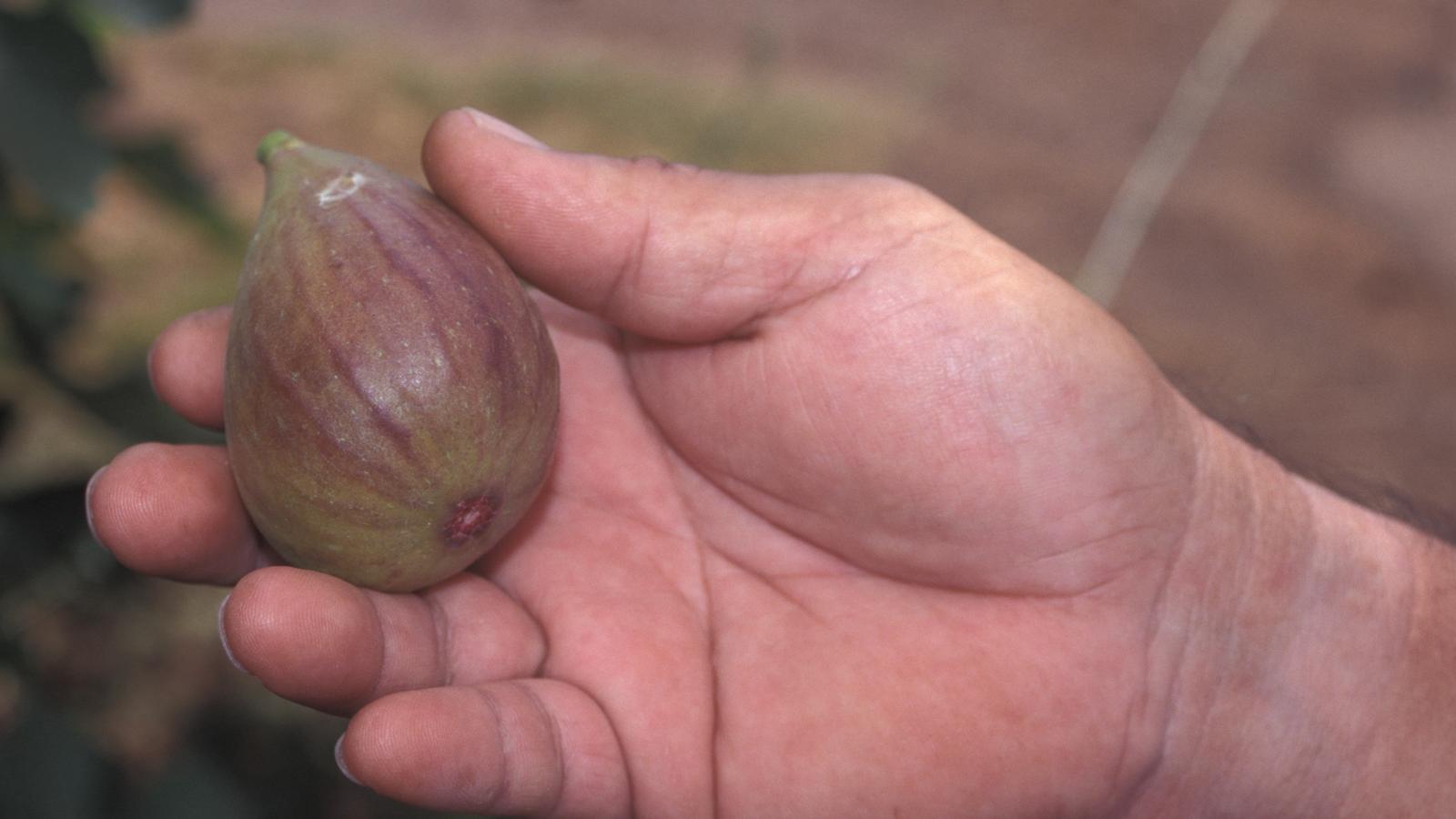
Figs are a late-summer to autumn crop, with a shorter and more concentrated window than most orchard fruit. NSW's Orange district and Hawkesbury-Bilpin area typically pick from December through to April, peaking January to March, while South Australia's Adelaide Hills runs a tighter window, mid-February to early April, with Glen Ewin Estate at Houghton growing five fig varieties including Black Genoa. Perth Hills and Swan Valley growers in WA pick over a similar late-summer to autumn stretch, though dedicated pick-your-own fig operations are less common there than for other fruit. Because fig trees fruit over a matter of weeks rather than months, and ripe figs don't store or travel well, pick-your-own days can sell out or wind up quickly once the season starts. Figs are generally the most expensive fruit to pick by weight, with pricing around $12 to $15 a kilogram, plus a small entry fee of about $5 per person at some orchards.
Most Australian pick-your-own orchards grow a handful of eating fig varieties, each with its own skin and flesh colour, though they ripen in roughly the same window. Here's what you're likely to be offered.
| Variety | Skin / flesh | Typical months | Notes |
|---|---|---|---|
| Brown Turkey | Purple-brown skin, pink-red flesh | Feb-Apr | The most widely planted fig in Australian orchards; reliable and heavy-cropping |
| Black Genoa | Near-black skin, deep red flesh | Feb-Apr | Rich, very sweet flavour; one of five varieties grown at Glen Ewin Estate in the Adelaide Hills |
| White Adriatic | Green-yellow skin, pink-amber flesh | Feb-Mar | Thinner-skinned; popular for drying as well as fresh eating |
| Preston Prolific | Green skin, amber-pink flesh | Feb-Apr | An Australian-bred variety and a notably heavy bearer |
Nationally, the main fig crop runs roughly February to April. Melbourne's cooler climate compresses that further, to late February through March. A few varieties also carry a light early "breba" crop on the previous season's wood, ripening in early summer ahead of the main autumn harvest, but it's a smaller crop and rarely what pick-your-own orchards open their gates for.
Australia also has native fig trees — the Moreton Bay fig and Port Jackson fig among them — which are Ficus species too, but they're a different matter from the cultivated eating fig (Ficus carica) grown at the orchards below. Their fruit is small and mostly of interest to birds and flying foxes rather than people, and none of them are a pick-your-own crop.
Fig picking in Australia clusters in a handful of pockets rather than being widely available. Here's every verified pick-your-own fig farm we have confirmed, by state.
South Australia: Glen Ewin Estate (Willabrand Fresh Figs) at Houghton in the Adelaide Hills grows five fig varieties including Black Genoa, mid-February to early April.
New South Wales: around Bilpin, TNT Produce in Bilpin & the Hawkesbury and Bilpin Springs Orchard in the Sydney Basin both grow figs alongside a wide range of other orchard fruit. Further west, the Orange & Central West district has the state's most dedicated fig growing, led by Norland Fig Orchard at Borenore — a fig-only orchard picking across two crops, December to early May — with figs as a side crop at Hillside Harvest. In the Riverina & South Coast, Hill-Lock Orchard at Wombat picks figs in February, one of three crops on the property alongside cherries (Nov-Dec) and persimmons (Apr).
Western Australia: figs are mostly a side crop at Swan Valley vineyards — Kafarela's Vineyard at Herne Hill runs figs January to March, while Swan Street Vineyard and Swan Valley Sisters, both at Henley Brook, grow figs too, the latter typically February-March. In the Perth Hills, Tony's Summer Fruits at Carmel grows figs alongside its stone fruit.
Victoria: Kookaberry Strawberry Farm at Wandin North in the Yarra Valley grows figs alongside its main strawberry crop; call ahead for availability.
Queensland has no verified pick-your-own fig farm yet — check our Queensland page for what's verified so far, or see the Orange & Central West and Bilpin farms above for the closest confirmed fig picking, across the border in NSW.
Tasmania has no verified pick-your-own fig farm yet — check our Tasmania page for what's verified so far; the closest confirmed fig picking is across Bass Strait, at Kookaberry Strawberry Farm in Victoria's Yarra Valley.
The ACT has no verified pick-your-own fig farm yet — check our ACT page for what's verified so far; the Orange & Central West district in NSW, a few hours' drive, has the closest confirmed option, including the dedicated Norland Fig Orchard.
Swipe to see all months. Peak and available windows are typical only and shift with the weather.
| State | Jan | Feb | Mar | Apr | May | Jun | Jul | Aug | Sep | Oct | Nov | Dec |
|---|---|---|---|---|---|---|---|---|---|---|---|---|
| New South Wales | Peak | Peak | Peak | Available | Available | |||||||
| South Australia | Available | Peak | Available | |||||||||
| Western Australia | Available | Peak | Available |
Mudgee · Orange & Central West
Wombat · Hilltops
Borenore · Orange & Central West
Borenore · Orange & Central West
Wandin North · Yarra Valley
Woori Yallock · Dandenong Ranges
Houghton · Adelaide Hills
Herne Hill · Swan Valley
Henley Brook · Swan Valley
Henley Brook · Swan Valley
Carmel · Perth Hills
A ripe fig feels soft to a gentle squeeze and hangs slightly downward on its stem, sometimes with a small split forming at the base. Colour deepens as figs ripen, but softness is the better test, since a fig that still feels firm won't sweeten further once picked. Figs bruise easily and don't keep long, so handle them gently and eat or refrigerate them within a day or two of picking.
Choose a crop and location. We will email you when local farms begin opening.
Fig picking generally runs from December through to April, though the exact window is shorter at any one orchard. NSW's Orange and Hawkesbury-Bilpin districts pick December to April, peaking January to March. South Australia's Adelaide Hills has a tighter season, roughly mid-February to early April. Because fig trees fruit in a short burst, it's worth calling ahead to check the crop is still on.
Figs are typically the priciest fruit to pick by weight, commonly around $12 to $15 a kilogram. Glen Ewin Estate in the Adelaide Hills charges $15 a kilogram plus a $5 per person entry fee that includes a picking box, with children under 12 free. Fewer fig orchards publish pricing online compared with apples or berries, so ask when you call.
There's limited pick-your-own fig availability close to Sydney. Hillside Harvest near Orange, around a three-hour drive from the CBD, lists figs among its crops, and the Bilpin and Hawkesbury district has some fig availability December to April at multi-fruit farms. Fig picking days are short, so always call ahead before making the drive.
Options are limited but Kookaberry Strawberry Farm at Wandin North, in the Yarra Valley about an hour from the Melbourne CBD, grows figs alongside its main strawberry crop. Pricing isn't published online, so it's best to call and discuss availability directly before visiting, since fig picking days there depend on the season.
Fig trees ripen their crop over a concentrated few weeks rather than the months-long windows typical of apples or citrus, and ripe figs bruise easily and spoil fast once picked, so orchards can't hold stock on the tree for long. That combination means pick-your-own fig days often run for only a handful of weekends each year, so ring ahead before you plan a visit.
Fig season has two parts. A light early breba crop ripens on some varieties in early summer, but the crop most pick-your-own farms open for is the main autumn harvest, roughly February to April nationally. Melbourne's cooler climate compresses that window further, to late February through March, so it's worth calling ahead since the season can wind down quickly once it starts.
Yes — fig trees are one of the easier fruit trees for a home garden, tolerating poor soil and cropping well in pots as well as open ground across most of Australia's fig-growing states. They do need a warm, sheltered spot and a few years to reach full cropping, so most home growers are eating a handful of fruit long before they're picking kilograms.
A fig doesn't ripen further once picked, so timing matters more than with most fruit. Look for the neck just below the stem starting to bend, the whole fruit drooping downward rather than sitting upright, and the skin losing its firmness and giving gently to a light squeeze. A small bead of nectar at the eye, the opening at the base of the fruit, is often the clearest sign of all — if you see that, it's ready to pick.
Fig trees are usually pruned in winter while dormant, removing dead or crossing branches and shortening long shoots to keep the tree open and productive the following season. Technique varies with climate and the tree's age, and it's beyond what this picking guide covers, so check with a local nursery or gardening reference for step-by-step advice.