Pick Your Own Farms

Plum picking in Australia

Plum picking is between seasons across most of Australia in September. We list 22 pick-your-own plum farms nationally — see the season table below for when picking reopens in your state.

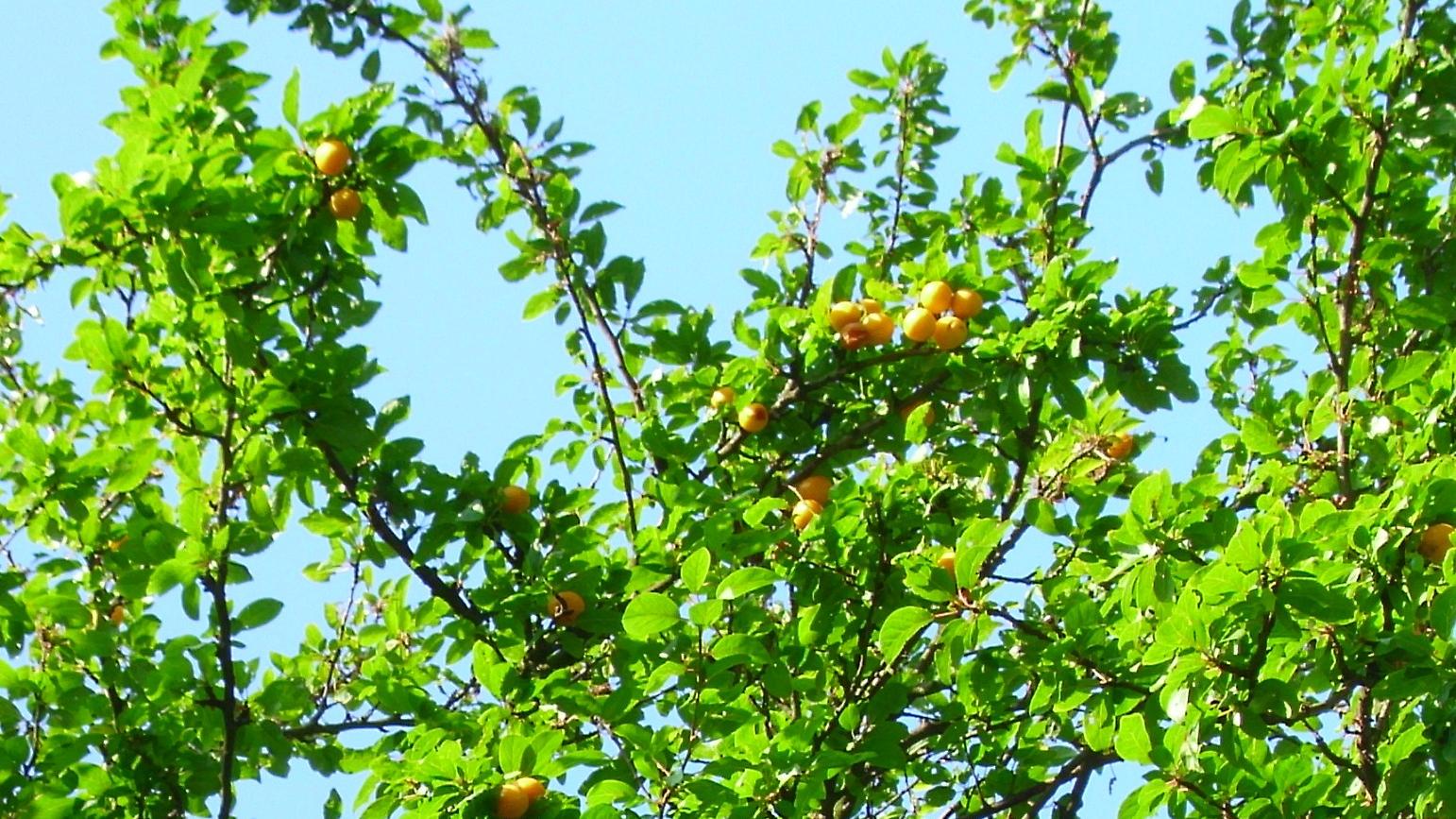
Mirabelle plums ripening on a tree against a blue sky
Representative plum-picking image. Seasons and availability vary by farm and weather. "Mirabelle plums on tree 2" by Natubico, CC BY-SA 4.0, via Wikimedia Commons.

Plums are usually the earliest stone fruit into season, with some NSW Hawkesbury-Bilpin orchards picking blood plums from October, well ahead of peaches and nectarines at the same farms. Most regions follow from November: Queensland's Granite Belt and NSW's Illawarra and Southern Highlands run November to February, peaking around December. Victoria's Yarra Valley and Bacchus Marsh districts, along with Tasmania's small stone fruit growers, pick from December into February, peaking in January. The Perth Hills in WA have the longest window of any state, with plums available from December through to March across different orchards as varieties succeed one another. Canberra's Pialligo growers pick a short window in January and February. As with other stone fruit, picking is typically pay-for-what-you-pick by weight, sometimes with a small entry fee. Expect roughly $4.50 to $8 a kilogram for plums, with entry fees, where charged, usually $5 to $8 per adult.

Plum varieties in Australia

Australia’s pick-your-own orchards grow a wide spread of plum varieties, and the ripening calendar stretches from October in the Hawkesbury-Bilpin district right through to March in the Perth Hills as early, mid and late varieties succeed one another. Understanding which variety is on means you can plan a visit at peak eating quality rather than arriving to find fruit that’s been on the tree too long.

VarietyRipens (approx.)States grownFlavour note
Blood plum (various red-fleshed cultivars)Oct – DecNSW, VIC, WADeep, jammy and full-sweet; skin can be tart
AngelinaNov – JanNSW, VIC, WALarge, dark-skinned; rich and honey-sweet with low acidity
Mariposa (blood plum type)Dec – JanNSW, VIC, WARed flesh throughout; intensely sweet with a slight tartness
SatsumaDec – FebVIC, WA, TASFirm, crimson flesh; balanced sweet-acid, classic jam plum
Sugar plum (small oval types)Jan – MarWA, NSW, QLDSmall and very sweet; thin skin, high sugar, excellent fresh

Blood plums and Angelina are the first to ripen in most regions, making them the headline variety at NSW Bilpin orchards like Pine Crest Orchard and 4 Winds Farm from October into December. Mariposa and Satsuma follow through December and January, overlapping with the main Yarra Valley and Perth Hills season at farms such as Rayner’s Orchard in Victoria and Tony’s Summer Fruits in WA. Sugar plums tend to be the last variety standing, extending the Perth Hills window into late summer. At home, the easiest tell between varieties is flesh colour once cut — true blood and Mariposa plums bleed red all the way to the stone, while Satsuma and Angelina are red-skinned but yellow-amber inside.

When is plum season in Australia?

Plum season in Australia runs from October through to March, peaking in December and January across most states. NSW leads the calendar: Hawkesbury-Bilpin orchards begin picking blood plums as early as October, and the Illawarra, Southern Highlands and Young districts follow through November and December. Queensland’s Granite Belt is typically November to February. Victoria’s Yarra Valley and Bacchus Marsh farms peak in January, with Tasmania and the ACT picking a concentrated window in January and February. Western Australia has the longest window of any state — Perth Hills orchards run from December through to March as successive varieties come on. Dates shift by a week or two depending on the season, so always call ahead before visiting.

Plum season by state

Swipe to see all months. Peak and available windows are typical only and shift with the weather.

Typical plum picking months by state
State Jan Feb Mar Apr May Jun Jul Aug Sep Oct Nov Dec
New South Wales Peak Available Available Peak Peak
Victoria Peak Available Available
Queensland Available Available Available Peak
Western Australia Peak Peak Available Available
Tasmania Peak Available Available
Australian Capital Territory Peak Available

Best places to pick plums in Australia

New South Wales

In season soon Last verified 31 Aug 2026

Canoelands Orchard

Canoelands · Sydney Basin

Season
Oct-mid Jan
Price
$8 adult, $5 child (3-15), family $25, under 3s free; PYO $6/kg
Open
Hours vary through the year; check the farm website for current times
Booking
No booking needed

Victoria

Queensland

Western Australia

Closed for season Last verified 17 Jul 2026

Core Cider House

Pickering Brook · Perth Hills

Season
Jan-May; seasonal, varies by year
Price
Fruit picking events advertised via website and social media
Open
Friday-Sunday during main season, 10am-4:30pm typical
Booking
Booking recommended

Tasmania

Cities with plum picking

Plum farms by state

Peak season by month

How to pick ripe plums

Ripe plums yield to gentle pressure and pull away from the branch with a slight twist rather than resistance; a plum that needs a hard tug isn't ready. Colour alone isn't reliable, since many varieties stay dark before they're fully ripe, so check for softness at the base near the stem. Handle plums gently, as the skin bruises easily and marks show quickly. They'll keep for a few days at room temperature or up to a week in the fridge, and continue to soften slightly once picked.

Last verified 3 Sep 2026. We check listings against farms' own sources and re-verify regularly. How we verify Report a change

Frequently asked questions

When is plum season in Australia?

Plum picking starts earlier than most other stone fruit, with some NSW Hawkesbury-Bilpin orchards beginning in October. Most regions run November to February, peaking around December, while Perth Hills orchards in WA have the longest spread, picking different varieties from December through to March. Tasmania and the ACT tend to pick later, into January and February. Always check with the farm, as an early or late crop can shift these dates.

How much does plum picking cost?

Plums are usually priced by weight, commonly around $4.50 to $8 a kilogram depending on the orchard and how far into the season you're picking. Canoelands Orchard north of Sydney, for example, charges $6 a kilogram for pick-your-own on top of a small entry fee. Some farms add an entry or bucket-rental charge, typically $5 to $8 per adult, so it's worth asking when you book.

Can you pick plums near Sydney?

Yes. Canoelands Orchard, about an hour north of the CBD, picks blood plums from October into January, and Bilpin's orchards, including Pine Crest Orchard and 4 Winds Farm, grow plums alongside apples and peaches over a similar window. Hillside Harvest near Orange, a longer drive of around three hours, is another option later in the season. Call ahead, as the early plum window is short.

Can you pick plums near Melbourne?

Yes, the Yarra Valley, under 90 minutes from the Melbourne CBD, has orchards picking plums from December into February alongside peaches, nectarines and apricots. Harcourt, near Bendigo and about an hour and a half out, runs a similar summer stone fruit season. Both are worth checking against the calendar since plums often finish before apples come on.

Can you pick plums near Perth?

Yes, and Perth is arguably the best-served capital for plums. The Perth Hills, around 40 minutes to an hour from the city, has several orchards picking plums from December through to March as different varieties ripen in turn, including at Pickering Brook and Carmel. This makes plum picking near Perth one of the longer windows of any Australian capital.

Can you grow a plum tree at home?

Yes — plums are one of the easier stone fruit trees for home orchards in temperate climates. Most varieties need a cold-hour requirement met over winter and a second compatible variety nearby for cross-pollination, so check the rootstock and pollination needs before you buy. Call your local nursery to confirm which varieties suit your region.